
How to Get Accurate Custom Spring Quotes: A Buyer’s Guide
A practical checklist for engineers and purchasers requesting custom spring quotations, including drawings, materials, quantities, finishes and compliance requirements.

A practical checklist for engineers and purchasers requesting custom spring quotations, including drawings, materials, quantities, finishes and compliance requirements.
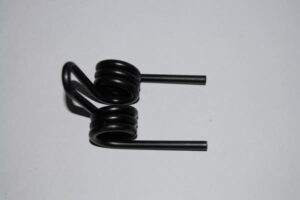
How torsion springs work, how to estimate torque and deflection, and how to specify leg design, winding direction and materials.
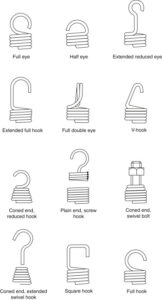
A guide to tension (extension) spring end types: full loops, extended loops, crossover ends, side loops and special hooks, plus how to specify initial tension.
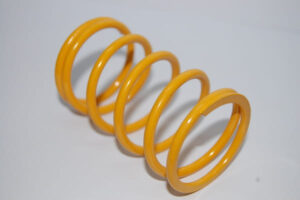
How to specify a compression spring correctly: wire diameter, coil diameters, free length, spring rate, end types, materials and tolerances.
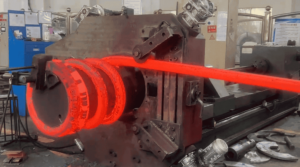
What European buyers should check before ordering custom springs from overseas: EN 10270 standards, RoHS/REACH compliance, material certificates, lead times and logistics.
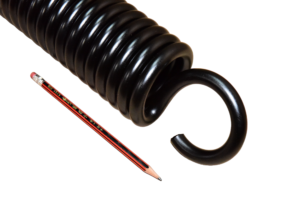
The spring rate shows how much force a spring needs to stretch or squeeze by a certain distance. To calculate spring rate for tension springs,
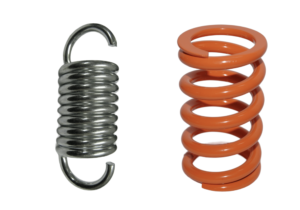
When purchasing springs, understanding the difference between compression and tension springs is crucial. These springs, while both helical, serve different purposes in various applications. For
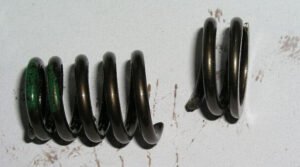
Springs are used in many different mechanical and electronic devices. The reliability of the springs directly affects the stability and service life of these devices.

Introduction Springs are used in a wide range of mechanical systems. They play a vital role in everything from closing the door on your car
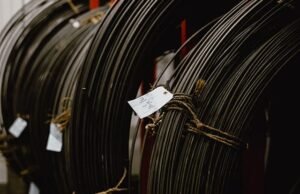
Springs are used in countless applications to exert force, control motion, and support loads in mechanical systems. The performance, longevity, and suitability of a spring